Difference between dentures and dental implants
Missing teeth don’t only affect chewing. They can change how your smile looks, how your lips sit, how your face is supported, and even how confident you feel when you speak or laugh. If you’re deciding between dentures and dental implants, you’re probably thinking about more than function—you want a natural look that feels like “you”.
At Lonsdale Dental Practice in Kirkby Lonsdale, we often meet patients who ask the same kinds of questions:
- What is the real difference between dentures and dental implants in day-to-day life?
- How natural can each option look—especially close up?
- Can dentures or implants help with facial support and a younger-looking smile?
- Why do some smiles look “denture-like” while others look completely natural?
This article focuses on the aesthetic difference between dentures and dental implants, but it also covers comfort, stability, gum appearance, speech, hygiene, and who each option may suit. It’s written from a dentist’s perspective, for patients—so I’ll be clear about what is safe, what is not, and why DIY approaches can do more harm than good.
What is the difference between dentures and dental implants?
Understanding the basics makes it much easier to compare aesthetics and outcomes.
Dentures are removable replacements for missing teeth. They can be:
- Full dentures, when all teeth in an arch are missing.
- Partial dentures, when some natural teeth remain and a denture replaces the gaps.
Dentures sit on the gum and underlying bone (and sometimes anchor to remaining teeth). Because they are removable, they rely on fit, suction, and sometimes adhesive to stay in place.
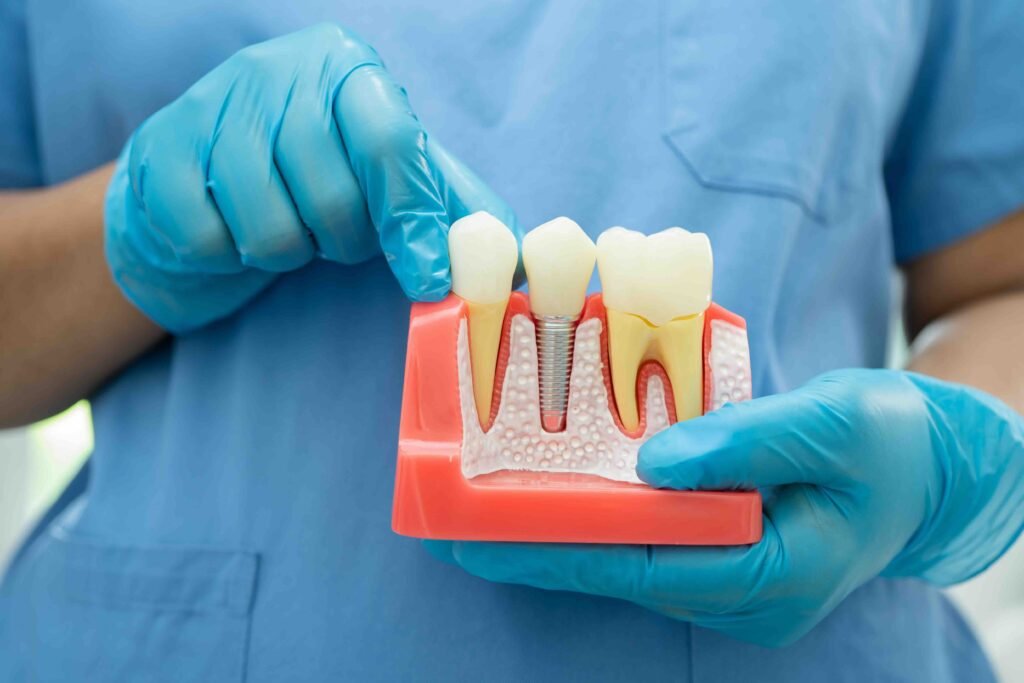
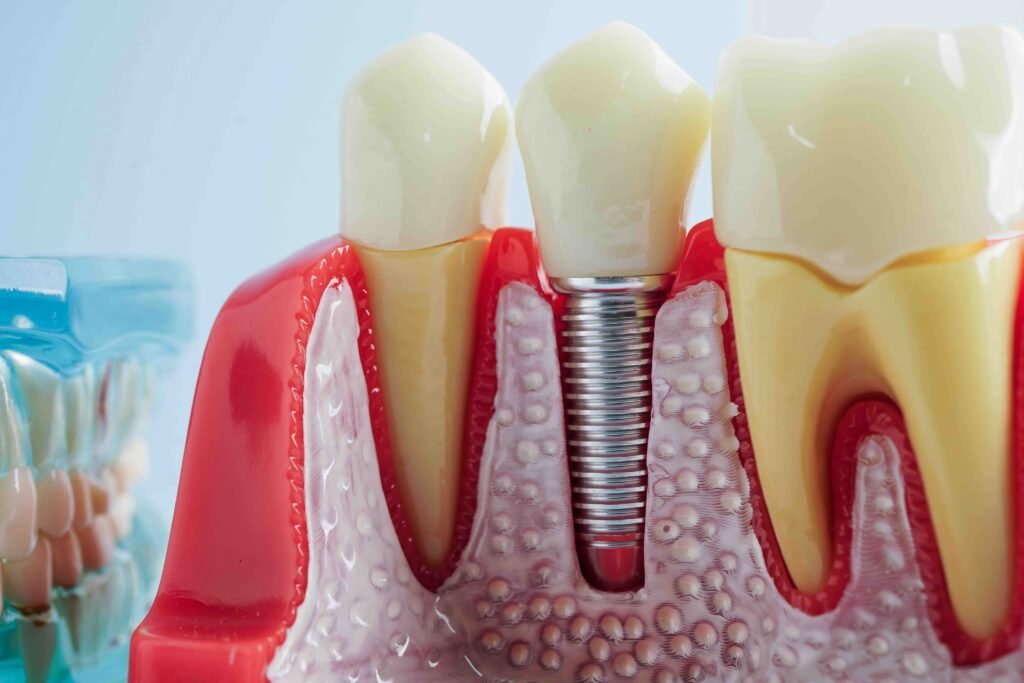
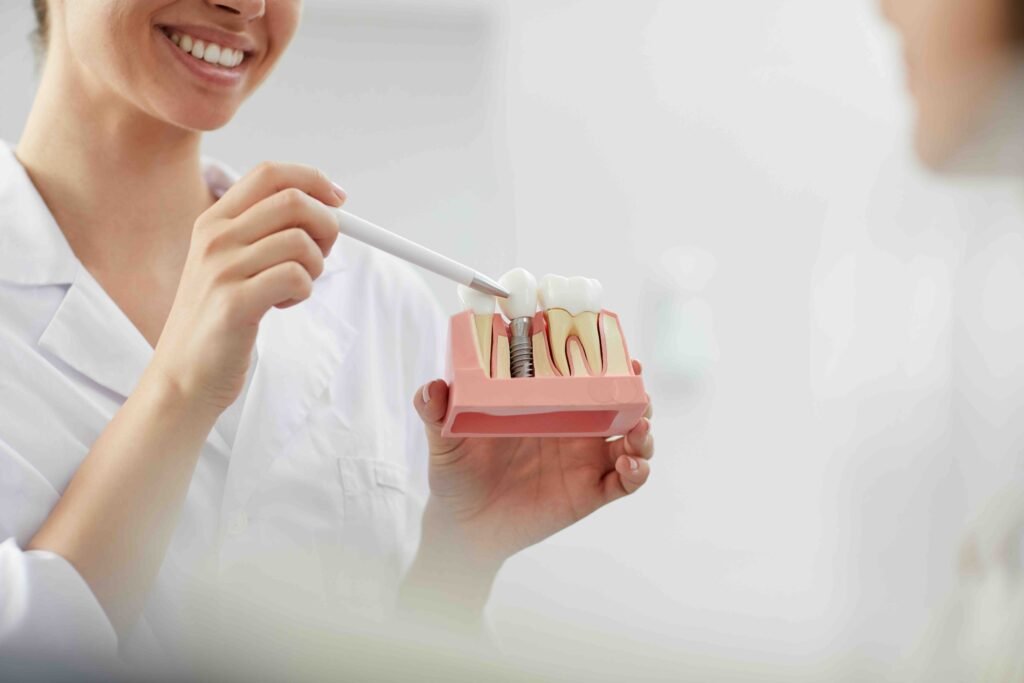
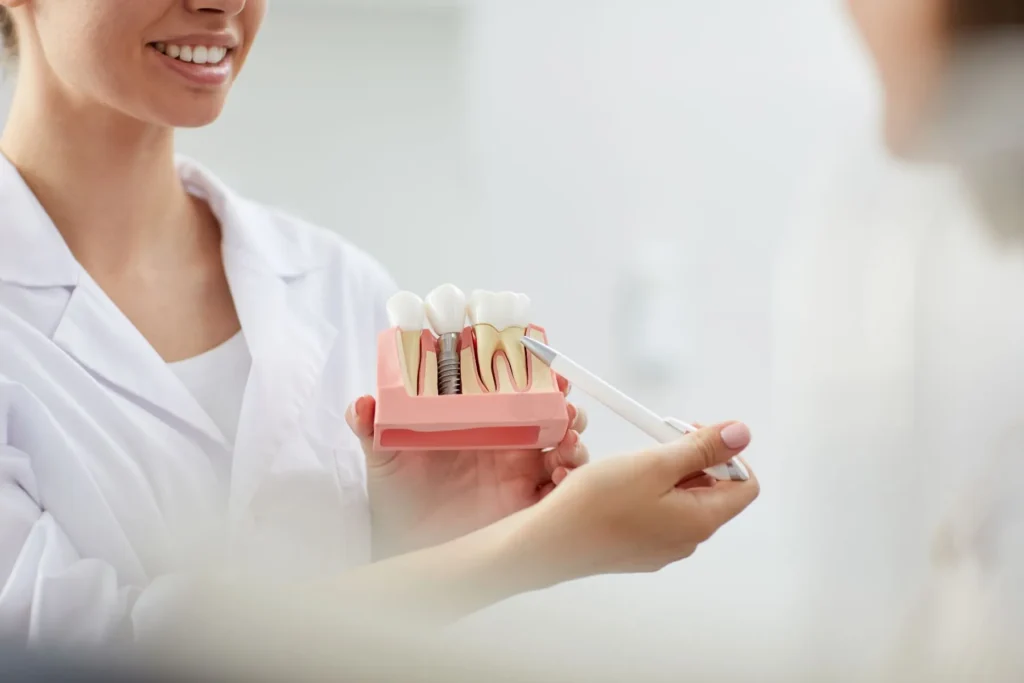
Dental implants are small titanium fixtures placed in the jawbone to act like an artificial tooth root. After healing, they support:
- A single crown (one missing tooth),
- An implant bridge (several teeth),
- Or an implant-retained denture / full-arch solution (many or all teeth in an arch).
From an aesthetic point of view, the biggest difference is where the support comes from:
- Dentures “rest on” the gums and can move slightly.
- Implants are supported by the bone, so they behave more like natural teeth.
This influences how the teeth appear when you talk, how the gum line looks, and how confident you feel biting into foods or smiling widely.
It’s also important to know that neither option is “one-size-fits-all”. The best solution depends on:
- How many teeth are missing,
- The condition of your gums and bone,
- Your bite, habits, and health,
- The look you want to achieve,
- And what you can realistically maintain long-term.
How do dentures and implants differ aesthetically when you smile and speak?
Many patients worry about that “false teeth look”. In reality, both dentures and implants can look excellent—but the details matter, and they matter most when you speak, laugh, and are seen close up.
With dentures, the smile aesthetics depend heavily on:
- The fit (a loose denture can shift and expose edges),
- Tooth position (teeth set too far forward can look unnatural),
- Gum colour and contour (denture gums are acrylic and may not match perfectly),
- Lip support (a denture can restore support, but if over-bulky it can look “pushed out”).
When dentures are well-made and well-fitted, they can look very natural at a conversational distance. However, because dentures sit on the gums, there can sometimes be small movements that you might notice more than others—especially in the lower arch.
With implants, aesthetics often feel more “stable” because the teeth don’t shift. Implants can:
- Hold teeth in a more natural position,
- Reduce the risk of a visible “edge” along the gumline,
- Allow a smile that looks consistent from different angles.
That said, implant aesthetics also rely on careful planning. The gum line, bone levels, and the way a crown emerges from the gum are all important. A well-planned implant restoration aims for teeth that:
- Reflect light like natural enamel,
- Sit harmoniously with your lips,
- Look proportionate to your face and existing teeth.
In short: dentures can look very good, and implants can look exceptionally natural—but the best aesthetic result comes from diagnosis, planning, and skilled execution, not from the “type” of treatment alone.
Why can dental implants look more natural around the gum line?
One of the most common aesthetic differences is the transition between tooth and gum.
Natural teeth emerge from the gum in a way that looks seamless. When a tooth is missing, the surrounding bone can shrink over time. This can change the gum contour and create hollows that affect your smile.
With dენტures, the “gum” you see is part of the denture base. It can be shaped beautifully, but it is still an artificial material. In some cases, especially if bone shrinkage is advanced, a denture may need a thicker base to fill space and create support. That can be helpful for lip support, but it can also feel bulky to some patients.
With implants, we can often create a more natural-looking tooth emergence because the restoration is fixed and designed to mimic a natural tooth coming through the gum. When bone and gum conditions allow, implants can support:
- A more realistic gum contour,
- A natural tooth-to-gum junction,
- A smile that feels less “prosthetic” close up.
However, implants don’t automatically guarantee a perfect gum line. The aesthetic result depends on:
- Bone volume and quality,
- Gum thickness and health,
- Implant position (millimetres matter),
- The design of the final crown or bridge.
This is why professional assessment is essential. Attempts to “self-diagnose” online or copy someone else’s treatment choice can lead to disappointment. Two people can have the same number of missing teeth and require completely different plans to achieve a natural look.
Can dentures or implants improve facial support and a “sunken” look?
This is a question that matters to many patients, especially if tooth loss has been present for a while.
When teeth are missing, the jawbone in that area can gradually resorb (shrink). Over time, this can reduce facial support, leading to changes such as:
- A more collapsed bite,
- Thinner-looking lips,
- Deeper lines around the mouth,
- A “sunken” appearance in the cheeks.
Dentures can help restore support because the base can replace some of the lost volume. A well-designed denture can:
- Re-establish the correct vertical height (bite height),
- Support the lips and cheeks,
- Improve the appearance of facial proportions.
The key is balance. Too little support and the face can still look collapsed; too much and it can look overfilled or feel uncomfortable.
Implants can also improve facial structure, especially by restoring function and bite stability. In full-arch situations, implant-supported solutions can:
- Help maintain a stable bite position,
- Provide firm support for the teeth,
- Reduce the movement that can contribute to tension in facial muscles.
But it’s important to be honest: implants cannot always “replace volume” in the same way a denture flange can, because implants support teeth rather than a large gum-coloured base. In some cases, the most aesthetic plan blends:
- Fixed implant teeth where appropriate,
- And carefully designed contours to support the lips naturally.
This is exactly why an in-person assessment is so valuable at Lonsdale Dental Practice in Kirkby Lonsdale: we’re not just choosing “implants vs dentures”—we’re choosing the best way to restore your smile and facial balance safely.
How stable are dentures compared with implants, and why does stability affect appearance?
Stability isn’t just about comfort—it directly affects aesthetics. A smile that moves unexpectedly can change how you look when you talk, laugh, or eat.
Dentures can be stable, but their stability depends on:
- The shape of the jaw and the amount of bone remaining,
- The precision of the fit,
- Saliva and muscle control,
- Whether it’s an upper or lower denture (lower dentures are often harder to stabilise).
If a denture lifts slightly when speaking or chewing, you may:
- Feel self-conscious,
- Avoid smiling widely,
- Speak differently to “hold it” in place,
- Notice clicking or minor shifts.
Even tiny movements can be noticeable to you, especially in social situations.
Implants typically offer greater stability because they are anchored to the bone. That stability can improve aesthetics by:
- Allowing you to smile and speak more freely,
- Keeping the teeth in a consistent position,
- Reducing the risk of visible movement at the gum line.
There’s also a middle ground many patients don’t realise exists: implant-retained dentures. These are dentures that “clip” onto implants. Aesthetically, they can:
- Improve confidence and reduce movement,
- Maintain the ability to remove the denture for cleaning,
- Provide a more secure feel than traditional dentures.
The “best” option depends on your priorities. Some patients value removability; others want the most fixed feel possible. What matters is choosing the safest approach for your mouth and then designing it carefully to look natural.
What are the hygiene and maintenance differences, and can they affect how your smile looks over time?
Aesthetic dentistry isn’t only about the day you finish treatment. It’s also about how your result holds up over years.
Dentures require daily cleaning outside the mouth. Good habits include:
- Brushing the denture with appropriate tools (not abrasive household cleaners),
- Cleaning the gums and tongue,
- Removing dentures at night (as advised by your dentist),
- Attending reviews to check fit and gum health.
A common DIY mistake is using harsh products or home “whitening” hacks. These can:
- Scratch the denture surface,
- Make it stain more easily,
- Irritate oral tissues,
- Shorten the life of the denture.
Implants require meticulous cleaning in the mouth, similar to natural teeth but often more detailed. This includes:
- Brushing twice daily,
- Cleaning between implants with the correct interdental tools,
- Regular professional hygiene care.
If plaque builds up around implants, inflammation can develop. This can affect:
- Gum appearance (redness, swelling),
- Bleeding,
- Long-term stability of bone support.
So yes—maintenance affects aesthetics. Healthy gums frame the smile. Whether you choose dentures or implants, ongoing care is essential for a result that continues to look natural.
At Lonsdale Dental Practice, we focus on practical routines that fit your life. The goal is not perfection—it’s consistency and prevention.
Can everyone have dental implants, and what factors decide the best aesthetic option?
This is one of the most important “Can” questions, because the internet can make implants sound like a universal solution. In reality, suitability must be assessed carefully.
Factors we consider include:
1) Bone quantity and quality
Implants need enough bone for secure placement. If bone has reduced, options may still exist, but the plan may require additional steps. That decision is clinical and individual.
2) Gum health and periodontal stability
Healthy gums are the foundation of any aesthetic result. If gum disease is present, it must be stabilised first.
3) General health and habits
Certain medical conditions, medications, and habits (like smoking) can affect healing and long-term outcomes. This doesn’t automatically rule out implants, but it changes planning and risk management.
4) Bite forces and grinding
If you clench or grind, we plan protection. Aesthetic success isn’t just about shape and colour—it’s about keeping the restoration safe under function.
5) Expectations and lifestyle
Some patients want a fixed solution; others prefer removable options. Some prioritise the most natural gum-to-tooth transition; others prioritise ease of cleaning.
In many cases, dentures remain an excellent choice, especially when:
- A removable solution is preferred,
- Anatomy makes implants less predictable,
- A patient wants to avoid surgery.
And sometimes, the most aesthetic result is a blended plan, such as implant support for improved stability combined with careful design for facial support.
This is exactly why a professional assessment is essential. DIY decision-making based on photos online often leads to the wrong choice for the wrong mouth.
How long do dentures and implants last, and why does longevity matter for aesthetics?
A smile is a long-term investment in wellbeing, confidence, and health. Longevity matters because aesthetic issues often appear when something is worn, loose, or no longer fits the way it should.
Dentures can last for years, but they commonly need adjustments because:
- The jawbone and gums change over time,
- The bite can wear,
- The fit can loosen,
- Staining and surface wear can build up.
Even a denture that looks good on day one can begin to look less natural if:
- The bite collapses slightly,
- The teeth wear down,
- The base no longer matches the gum contour.
Regular reviews help keep the denture looking and functioning well.
Implants are designed for long-term support, but the longevity of the final result depends on:
- Gum health and cleaning,
- Bite forces and protective planning,
- The design and materials of the restoration,
- Regular professional maintenance.
Aesthetically, implants can maintain a consistent tooth position over time, which many patients value. But implants still require care. Neglect can lead to inflammation and aesthetic changes around the gum line.
If you’re asking, “What lasts longer?”, the honest answer is: it varies. It depends on your mouth, your health, your habits, and how well the solution is maintained. A consultation and proper clinical assessment are always needed to give personalised guidance.
What should you avoid doing at home if you have missing teeth or dentures?
When you feel self-conscious, it’s tempting to look for quick fixes. But when it comes to missing teeth and dental appliances, DIY approaches can be risky.
Here are common things I advise against:
- Do not attempt home repairs with glues, superglue, or “plastic kits”. These can be toxic, damage the denture, and create rough edges that injure the mouth.
- Do not reshape dentures yourself using files or abrasive tools. A tiny change can ruin the fit and create pressure sores.
- Do not use harsh cleaners (bleach, abrasive powders, or household chemicals). They can roughen surfaces and worsen staining.
- Do not copy online “bite” exercises or force the jaw into a new position. If your bite has changed, it needs professional evaluation.
- Do not ignore looseness. A loose denture rubbing the gums can cause pain and ulceration. Missing teeth left untreated can contribute to shifting and bite imbalance.
If you have missing teeth and you’re unsure whether dentures or implants are right, the safest and most effective solution is always a professional assessment. At Lonsdale Dental Practice in Kirkby Lonsdale, we can examine the mouth, take appropriate imaging when needed, and talk you through options that fit your health and goals.
Conclusion: Aesthetic difference between dentures and dental implants
When patients ask about the difference between dentures and dental implants, they often start with aesthetics—but quickly realise the topic includes stability, gum appearance, speech, facial support, and long-term maintenance.
Dentures can provide excellent aesthetic results and valuable facial support, especially when carefully designed and regularly reviewed. Dental implants can offer a highly natural look with strong stability and confidence in day-to-day life, particularly around speech and smile consistency. For many people, there are also hybrid options that blend benefits.
The most important step is not choosing based on online photos or assumptions. The safest way to achieve a natural-looking, comfortable smile is to have an individual assessment, so the plan matches your anatomy, gum health, and expectations.
If you’d like to explore which option fits you best, contact Lonsdale Dental Practice to arrange an appointment and discuss a personalised treatment plan in a calm, supportive way.