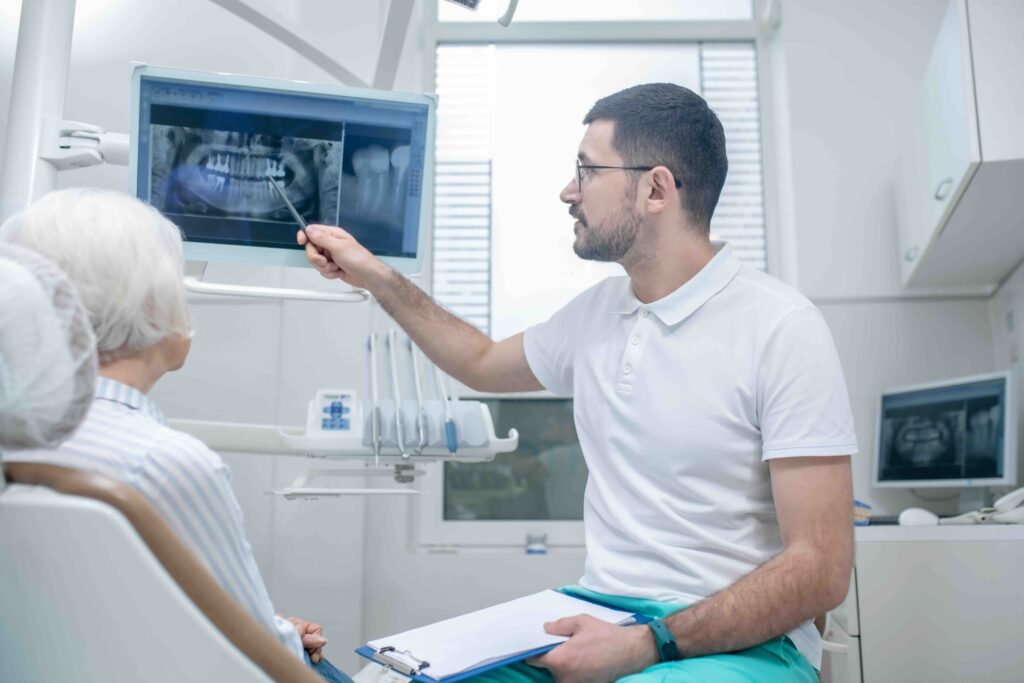
Dental implant in Vauxhall London: what to expect after 10 years
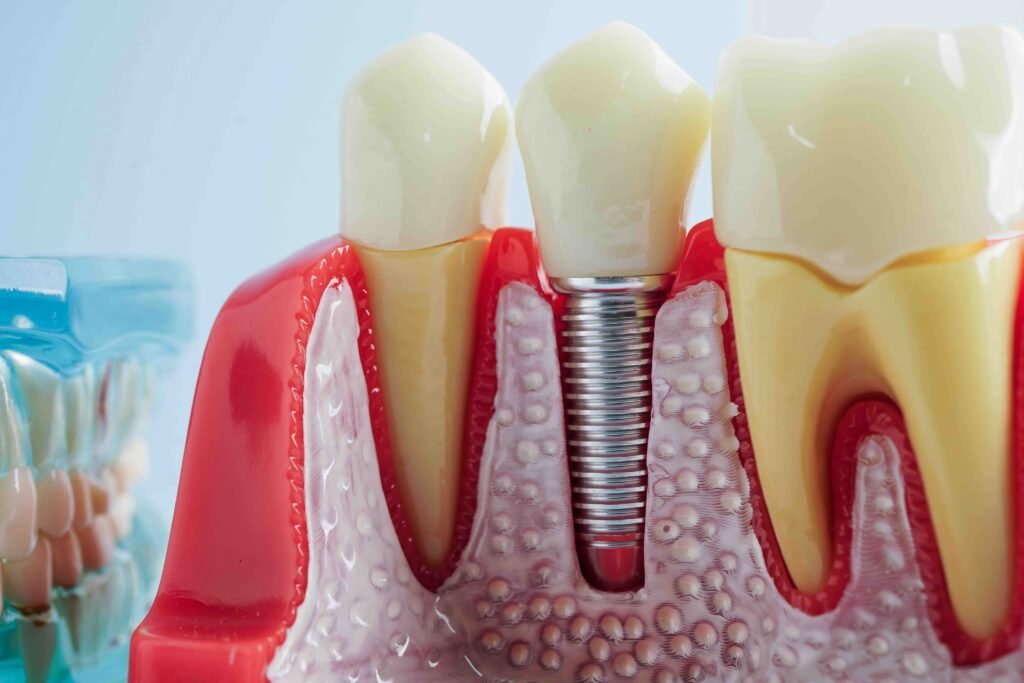
Dental implants are designed to function like natural roots and to remain stable for the long term. Patients in Vauxhall London often ask what happens after a full decade of function and how to keep outcomes predictable. This guide explains Dental implant longevity in practical, clinical terms: how implants age, what typically needs maintenance after 10 years, which biological and mechanical factors influence results, and which habits preserve peri-implant health over time. The goal is a realistic roadmap that prioritizes safety, tissue stability, and durable chewing function.
Find out at Super White Dental Clinic the dental implant in Vauxhall London.
What “longevity” means in implant dentistry
Longevity involves two distinct but interdependent elements:
- The fixture (the implant in the bone): expected to remain integrated long term if peri-implant tissues are healthy.
- The prosthesis (crown/bridge/full-arch): the chewing surface that experiences wear, fracture, screw loosening, and veneer chipping over time.
A 10-year view separates biologic stability (bone and soft tissues) from mechanical serviceability (screws, abutments, ceramics). Dental implant longevity therefore means: stable integration + maintainable prosthetics + controllable risk factors.
What to expect after 10 years: a realistic overview
After a decade, many patients report implants that feel and function like natural teeth. Typical findings:
- Fixture status: if risk factors are controlled, fixtures remain integrated and asymptomatic.
- Soft tissues: healthy, keratinized mucosa with shallow probing depths and no bleeding on gentle probing.
- Prosthetics: occasional screw retightening, occlusal adjustment, or polish/repair of minor ceramic chips. Full replacement of a crown may be indicated if wear, esthetics, or fit are compromised.
- Radiographs: minimal, non-progressive crestal bone remodeling relative to baseline.
- Hygiene needs: consistent professional maintenance becomes more important, not less.
Expectation setting is part of longevity: fixtures are built to last; prosthetic components are service items. This is normal, safe, and planned for.
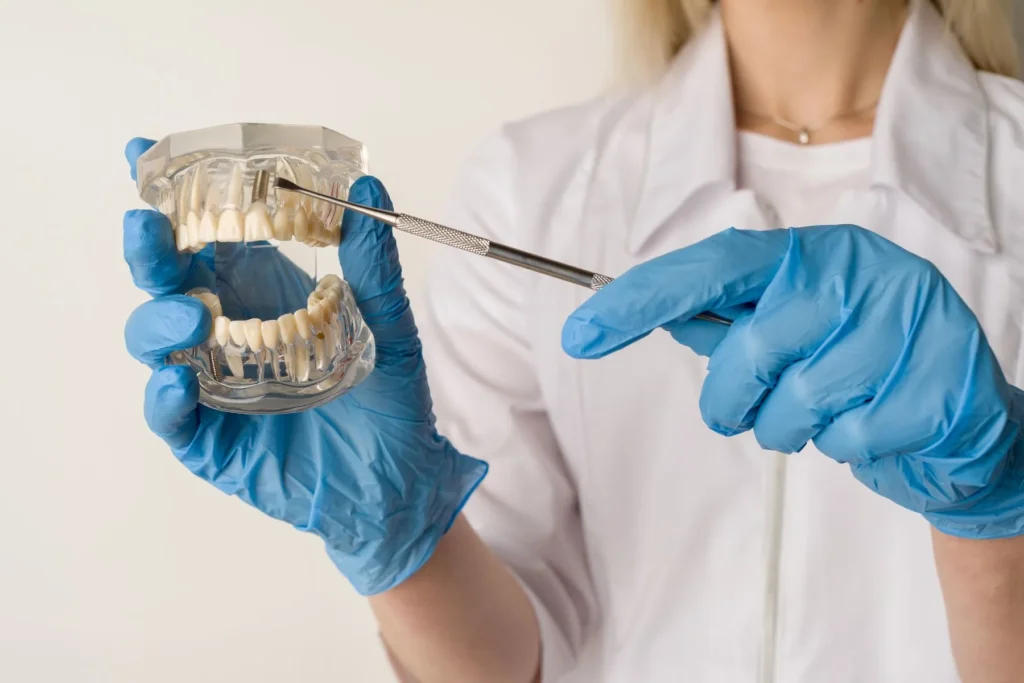
Key drivers of Dental implant longevity
- Biofilm control: daily plaque disruption around the transmucosal area is non-negotiable.
- Occlusion: even, axial loading; avoidance of cantilevers; protective schemes in excursions.
- Parafunction: bruxism increases mechanical stress; nightguards reduce overload.
- Systemic health: diabetes control, smoking cessation, and management of xerostomia improve tissue resilience.
- Surgical planning: adequate implant diameter/length, three-dimensional positioning within the bony envelope, respect for soft tissue thickness.
- Prosthetic design: screw-retained where feasible, cleansable emergence profiles, sufficient interproximal access for floss/interdental brushes.
- Materials: modern titanium/zirconia implants and high-strength ceramics or hybrid materials selected to match bite forces and esthetic zone.
Discover more at Super White Dental Clinic the dental implant in Vauxhall London.
After 10 years: biologic risks to watch and how to prevent them
- Peri-implant mucositis: reversible inflammation from plaque; managed with improved home care and professional debridement.
- Peri-implantitis: progressive bone loss; early detection is decisive. Risk escalates with poor hygiene, smoking, uncontrolled diabetes, and history of periodontitis.
Prevention protocol:
- Daily: soft brush, low-abrasive toothpaste, interdental brushes sized to contacts, and floss/threaders as indicated.
- Weekly: antimicrobial adjuncts if prescribed.
- Professionally: structured recalls with biofilm detection, instrumentation compatible with implant surfaces, and site-specific re-education.
Mechanical longevity: screws, abutments, and ceramics after a decade
Expected service items over 10+ years:
- Screw loosening: addressed with torque to manufacturer specs and occlusal refinement.
- Ceramic veneer chipping: polished intraorally if minor; repaired or remade if structural.
- Abrasive wear or staining: professional polishing or replacement to restore form and hygiene access.
- Attachment wear on overdentures: periodic replacement of retentive elements.
Design for maintainability at the start (screw-retained access, correct emergence, retrievability) is a core longevity strategy.
Clear hygiene routine for decade-long stability
Daily routine, simplified:
- Toothbrushing: twice daily with a soft, compact head; focus on the collar of the crown where biofilm accumulates.
- Interdental cleaning: primary tool is an interdental brush matched to the space; floss or super-floss under pontics/around bars as indicated.
- Irrigation: water flosser as an adjunct for full-arch or complex restorations.
- Tongue cleaning: lowers overall bacterial load and halitosis triggers.
- Topical strategies: dentist-guided use of low-abrasive pastes and targeted rinses when inflammation risk is elevated.
Visit Super White Dental Clinic the dental implant in Vauxhall London.
Recall interval: how often to return after year 10
Schedule is individualized by risk:
- Low risk: excellent hygiene, non-smoker, stable tissues → maintenance typically twice per year.
- Moderate risk: history of periodontitis, limited dexterity, early mucositis episodes → 3–4-month intervals.
- High risk: active inflammation, uncontrolled systemic factors → tighter intervals with site-specific therapy until stability returns.
Each visit includes: peri-implant charting, bleeding/suppuration check, radiographs as indicated, professional debridement/air polishing, occlusal assessment, and reinforcement of technique.
Bruxism and load management: protecting implants long term
Unmanaged grinding concentrates lateral forces at the implant–prosthesis interface and can accelerate screw loosening and ceramic damage. Protection plan:
- Custom nightguard with uniform contacts.
- Occlusal equilibration to remove interferences.
- Material choice (e.g., monolithic ceramics or hybrids) calibrated to bite forces.
- Behavioral cues to reduce daytime clenching.
Soft-tissue thickness and keratinized mucosa: small details, big impact
A stable band of keratinized tissue and adequate mucosal thickness improve patient comfort, ease of cleaning, and resistance to inflammation. When thin tissues contribute to recurrent soreness or plaque retention, soft-tissue augmentation can improve hygiene access and long-term comfort around the collar.
Full-arch and immediate-load cases: 10-year considerations
For immediate-load or full-arch prostheses:
- Regular screw checks and occlusal refinements maintain stability.
- Access to hygiene: water flossers and specialized brushes under the prosthetic flange are essential.
- Prosthetic service life: periodic liner, clip, or tooth repairs (hybrids) are normal over a decade; plan proactively.
Medications and systemic modifiers that matter over time
- Glycemic control: hyperglycemia impairs tissue response to biofilm.
- Smoking/vaping: vasoconstriction and biofilm shifts increase peri-implant disease risk.
- Xerostomia: salivary reduction from medications elevates plaque retention; tailored lubrication and hygiene regimens help.
- Antiresorptives or immunomodulators: require coordinated care and atraumatic protocols for any future interventions.
Discover more at Super White Dental Clinic the dental implant in Vauxhall London.
Warning signs that need prompt assessment
- Bleeding or swelling around an implant during routine brushing.
- Persistent bad taste or halitosis localized to one site.
- Sensation of “high bite,” clicking, or movement in a prosthesis.
- Food trapping that is new or worsening.
- Chipping or fractures.
Early reporting prevents escalation and protects Dental implant longevity.
Home-care tools that make a difference after 10 years
- Interdental brushes: primary for most implant contacts (correct sizing is critical).
- Implant-safe floss/super-floss: useful under pontics or bars.
- Water flosser: adjunct for full-arch or limited dexterity.
- Low-abrasive toothpaste and soft heads: protect ceramics and tissues.
- Single-tuft brush: targets the collar/emergence profile precisely.
A note on esthetics at year 10: when to refresh
Pink/white esthetics can drift as tissues remodel and ceramics age. Indications to refresh include: surface micro-cracks, glaze loss, edge staining, or changed gingival contours. Options range from polish and minor repair to a planned crown remake. Refreshing esthetics also restores cleanability, directly supporting tissue health.
Find out at Super White Dental Clinic the dental implant in Vauxhall London.
Your 10-year plan with Super White Dental Clinic in Vauxhall London
At Super White Dental Clinic in Vauxhall London, follow-up is structured:
- Baseline photos and radiographs retained for year-on-year comparison.
- Risk-stratified recall with targeted hygiene protocols (Airflow, ultrasonic instrumentation compatible with implants).
- Occlusal audits for bruxism and wear.
- Rapid access for minor mechanical service before issues become failures.
Conclusion on Dental implant longevity
Dental implant longevity is the result of precise planning, cleanable design, controlled loading, and disciplined maintenance. After 10 years, well-cared-for fixtures should remain integrated and comfortable; prosthetic components may require routine service or esthetic refresh. The safest, most effective path is a prevention-first strategy with clear home care and structured recalls.
📍 Super White Dental Clinic — 41 S Lambeth Rd, Vauxhall London SW8 1RH
☎️ +44 020 3645 7885 · WhatsApp 07947903827
✉️ info@superwhitedentalclinic.co.uk
Read more about our Implantology protocols and book a consultation: www.superwhitedentalclinic.co.uk