When dealing with the loss of one or more teeth, dental implants in Chalfont St Giles are now considered a modern and reliable solution for restoring both the appearance and function of the smile. However, in some cases, complications may occur and lead to implant failure. When this happens, many patients wonder whether can implant surgery be repeated or if the situation has become permanently compromised.
At Dental Excellence in Chalfont St Giles, every implant treatment is approached with careful diagnosis, digital planning, and a personalised evaluation of each individual case. Understanding the causes of implant failure is essential in identifying the most suitable solution and determining whether it is possible to safely perform a new procedure.
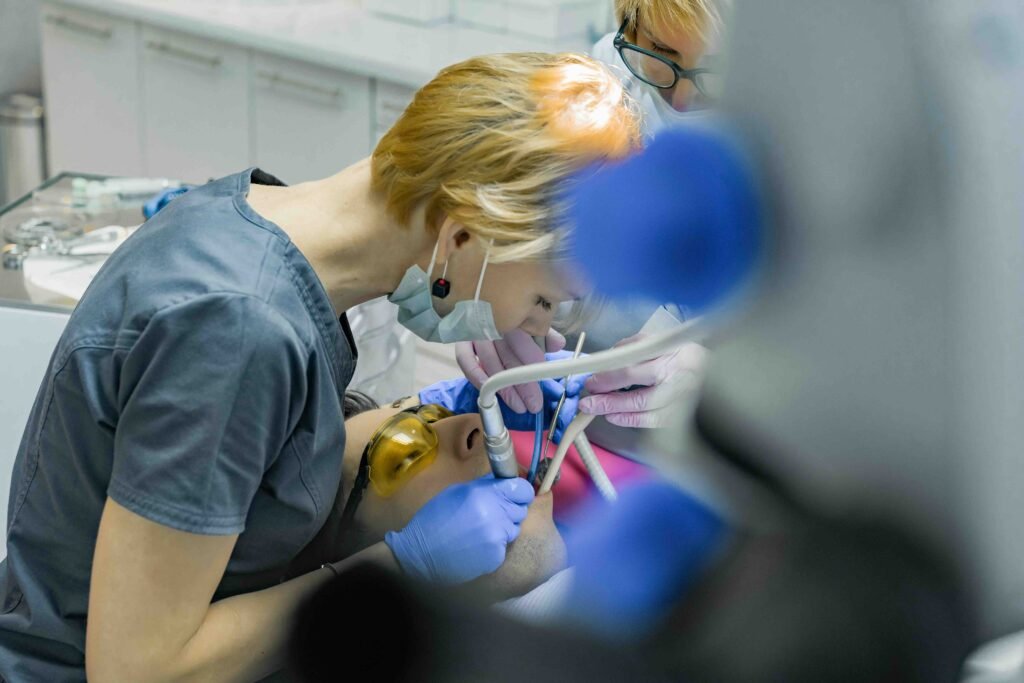
What Is Implant Failure and Why Can It Happen?
Implant failure refers to a situation in which the dental implant does not integrate properly with the bone or loses stability over time. This problem does not always appear immediately after surgery. In some patients it may occur within a few weeks, while in others it may develop months or even years later.
The causes can vary and are often linked to a combination of biological, anatomical, and behavioural factors. Some of the most common reasons include:
- poor bone quality or quantity
- gum infections or inflammation
- excessive biting pressure
- smoking
- poor oral hygiene
- certain systemic medical conditions
- inadequate bone healing
In other situations, the issue may be related to difficulties with osseointegration, meaning the implant fails to create a stable bond with the surrounding bone. It is important to understand that implant failure does not automatically mean another treatment will not be possible.
Many patients become concerned and assume that a “rejected” implant is irreversible. In reality, the term rejection is not entirely accurate in implant dentistry because titanium implants are generally well tolerated by the body. More often, the problem involves failed integration or an inflammatory complication.
For this reason, it is essential to avoid DIY solutions or attempts to ignore symptoms. Persistent pain, implant mobility, swelling, or bleeding should always be assessed by a professional experienced in implant dentistry.
Can Implant Surgery Be Repeated After Losing an Implant?
In most cases, can implant surgery be repeated is a question that can be answered positively, but it is first necessary to understand the causes that led to the original complication. Every case should be carefully evaluated through detailed clinical and radiographic examinations.
Before planning a new implant, the dentist will assess several factors:
- condition of the remaining bone
- gum health
- presence of infection
- patient habits
- tissue healing quality
- possible bite or functional issues
In some patients, a new implant can be placed after a relatively short healing period. In other cases, more time may be needed to allow the tissues to recover properly.
The possibility of repeating the treatment also depends on having sufficient bone support. When bone loss has occurred because of inflammation or the loss of the previous implant, bone regeneration procedures may be recommended to rebuild the necessary support.
Thanks to modern digital technology and 3D diagnostics, it is now possible to plan even complex cases with greater precision. This approach allows careful evaluation of bone volume, patient anatomy, and the ideal positioning of the new implant.
It is important to remember that every patient is different. Some individuals may undergo a second implant procedure without significant difficulties, while others require a more gradual and personalised treatment plan.
How Can You Tell If a Dental Implant Is Failing?
Recognising the signs of a possible implant problem early is essential to prevent the condition from worsening. In some cases, symptoms may be mild and progressive, which is why many patients initially underestimate them.
Some of the most common warning signs include:
- implant mobility
- pain while chewing
- gum swelling
- bleeding
- persistent unpleasant taste
- continuous sensitivity or discomfort
- gum recession around the implant
If these symptoms occur, it is important to avoid home remedies or improvised treatments found online. Mouthwashes, self-medicated drugs, or DIY approaches do not solve the underlying issue and may worsen the inflammation.
Even the absence of pain does not always mean everything is healing correctly. Some implant failures can develop silently and only become visible during routine check-ups and radiographic monitoring.
For this reason, regular review appointments play an essential role in maintaining dental implants over time. Routine monitoring allows potential issues to be identified early and treated more conservatively.
Why Is Bone Quality Important When Repeating Implant Surgery?
One of the most important factors for implant success is the presence of adequate bone support. A dental implant must integrate firmly with the bone to properly support chewing function.
When an implant fails, bone loss may occur in the affected area. This is especially common when significant inflammation is present or when the problem is ignored for a long period.
In these situations, a new implant procedure requires very careful evaluation. Through 3D examinations such as CBCT scans, the clinician can analyse:
- available bone volume
- bone density
- proximity to nerves and maxillary sinuses
- quality of the gum tissues
If necessary, bone regeneration procedures or sinus lift techniques may be performed to improve the conditions of the treatment area. These procedures help recreate adequate support before placing a new implant.
Another important aspect involves healing. After removing a failed implant, the bone tissue requires time to stabilise. Rushing treatment timelines without proper evaluation may increase the risk of additional complications.
How Can Future Implant Complications Be Prevented?
After experiencing implant failure, many patients want to understand what they can do to reduce the risk of future problems. Prevention plays a fundamental role and involves both the professional team and the patient.
Proper implant maintenance includes:
- professional oral hygiene appointments
- regular dental check-ups
- radiographic monitoring
- attention to home oral care
- smoking control
- management of teeth grinding
Daily oral hygiene is particularly important. Although implants cannot develop decay, the surrounding tissues can become inflamed. Peri-implantitis, for example, is an inflammatory condition that may compromise implant stability over time.
For this reason, it is important to use appropriate oral hygiene tools and follow the instructions provided by the dentist or dental hygienist. Every patient may have different needs depending on their clinical condition.
Managing parafunctional habits such as clenching or grinding teeth may also help protect implants. In some cases, personalised appliances may be recommended to reduce excessive biting forces.
When Should You Consult an Experienced Implant Dentist?
Managing implant failure requires experience, planning, and careful multidisciplinary evaluation. No two cases are exactly the same, which is why it is important to rely on a team capable of analysing every aspect of the clinical situation.
A modern implant dentistry approach does not focus only on implant placement but also includes:
- detailed diagnosis
- digital planning
- functional and aesthetic evaluation
- gum tissue management
- long-term monitoring
Advanced technology now allows even more complex situations to be managed with greater precision and control. Intraoral scanners, 3D imaging, and guided surgery help create more accurate and personalised treatment plans.
It is important to remember that early intervention can make a significant difference. Waiting too long in the presence of symptoms or discomfort may increase bone loss and make treatment more complex.
Can Implant Surgery Be Repeated: What to Know Before Deciding
Understanding whether can implant surgery be repeated always requires a careful evaluation of the patient’s clinical situation. In most cases, it is possible to plan a new implant treatment, but the procedure must be personalized according to the causes that led to the original complication.
Accurate diagnosis, modern technology, inflammation control, and bone quality are all essential factors in approaching treatment with greater awareness. Prevention and long-term maintenance also play a key role in protecting the health of dental implants.
At Dental Excellence in Chalfont St Giles, every implant treatment is planned according to the individual needs of the patient, using a multidisciplinary approach and advanced diagnostic tools to support long-term oral health.
📞 +44 01494876128
💬 +44 7956743372
✉️ contact@dentalexcellence.co.uk
📍 The Old Bank House, High Street Chalfont St Giles, HP8 4QZ