Sleep should allow both the body and mind to recover and recharge. However, when breathing repeatedly stops during the night even without you realizing it the quality of your sleep can be significantly affected. Sleep apnea symptoms are not limited to nighttime; they can also impact your daily life, causing fatigue, difficulty concentrating, and other issues that are often mistaken for different conditions.
At Serenity Dental Clinic in Dubai, oral health is approached with a broader perspective that also considers the relationship between breathing, jaw function, and sleep quality. Understanding the signs of sleep apnea is the first step toward addressing the condition and identifying the most appropriate treatment pathway for your individual needs.
What Is Sleep Apnea and Why Does It Occur?
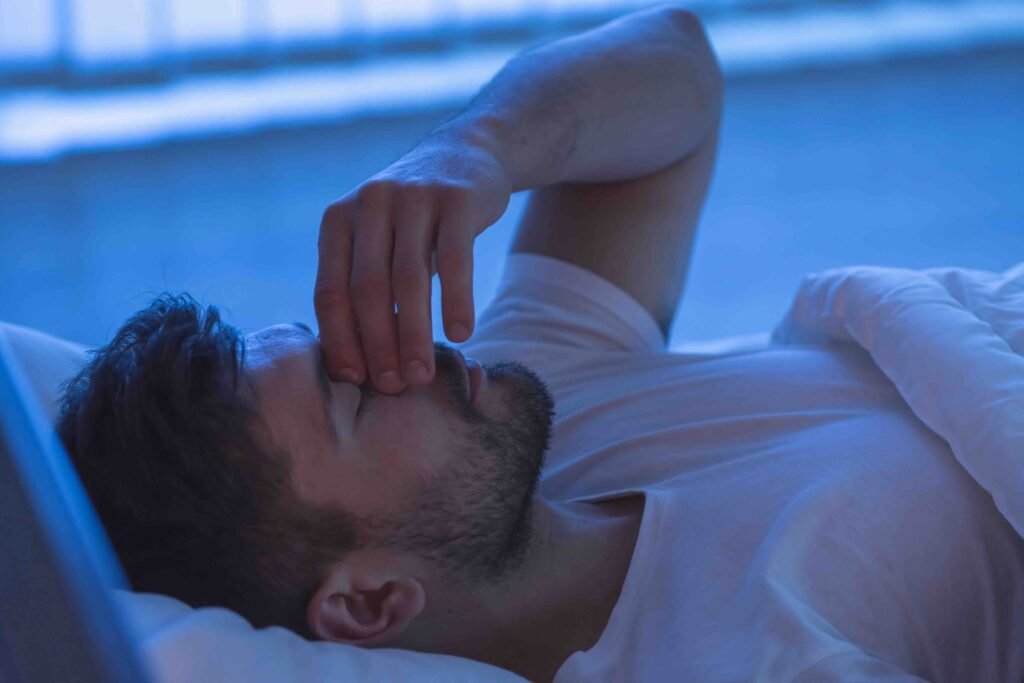
Sleep apnea is a condition in which breathing temporarily stops during sleep. These pauses can last for several seconds and occur many times throughout the night, reducing the amount of oxygen reaching the body.
In most cases, this condition is known as obstructive sleep apnea, where the upper airway becomes partially or completely blocked as the muscles naturally relax during sleep.
Several factors may contribute to the development of this condition, including:
- the shape and anatomy of the upper airway;
- jaw position;
- habitual mouth breathing;
- excess body weight;
- age;
- chronic snoring.
Many people are unaware that they experience episodes of sleep apnea because they occur while they are asleep. In many cases, it is a partner or family member who first notices repeated pauses in breathing followed by gasping or loud snoring.
It is important to remember that not everyone who snores has sleep apnea, but persistent snoring especially when accompanied by other symptoms should never be overlooked.
What Are the Most Common Sleep Apnea Symptoms?
Sleep apnea symptoms can affect both nighttime sleep and daytime wellbeing.
The most common nighttime symptoms include:
- loud and persistent snoring;
- breathing pauses noticed by a partner;
- sudden awakenings with a choking sensation;
- restless sleep;
- frequent nighttime urination;
- waking up with a dry mouth;
- morning headaches.
During the day, people may experience:
- excessive daytime sleepiness;
- difficulty concentrating;
- memory problems;
- irritability;
- persistent fatigue even after a full night’s sleep;
- reduced performance at work or during physical activity.
Many individuals live with these symptoms for years without realizing they may be linked to poor-quality sleep. They often assume they are simply stressed or not sleeping enough, when in reality repeated interruptions in breathing may be the underlying cause.
Recognizing these warning signs is essential to determine whether further evaluation is appropriate.
Why Can Sleep Apnea Affect Your Overall Health?
When breathing repeatedly stops during the night, the brain is forced to wake the body just enough to restore airflow. As a result, restorative deep sleep is interrupted, even if the person has no memory of these awakenings.
Over time, this can have a significant impact on overall wellbeing.
Possible consequences include:
- increased daytime fatigue;
- poor sleep quality;
- reduced alertness while driving;
- impaired concentration and cognitive function;
- increased levels of perceived stress.
Sleep apnea may also be associated with other health conditions that require a multidisciplinary assessment. For this reason, it is important not to focus only on the symptoms but to identify the underlying cause.
A comprehensive evaluation helps build a clearer picture of the patient’s health and supports the selection of the most appropriate treatment plan.
Can Sleep Apnea Be Suspected by Looking at the Mouth?
Oral health and breathing are closely connected. In some patients, the mouth may show signs that suggest further investigation is worthwhile.
These may include:
- teeth grinding (bruxism) or clenching;
- excessive tooth wear;
- habitual mouth breathing;
- bite irregularities;
- temporomandibular joint (TMJ) disorders;
- frequent dry mouth.
These findings alone are not enough to diagnose sleep apnea, but they may provide valuable clinical clues.
A dentist experienced in evaluating breathing patterns and oral function can help identify patients who may benefit from additional diagnostic assessment.
The goal is to understand whether breathing, jaw position, and sleep quality are connected while considering the patient as a whole.
How Is Sleep Apnea Evaluated?
When symptoms suggestive of sleep apnea are present, a comprehensive assessment is essential.
This process may include:
- a detailed medical and dental history;
- discussion of the patient’s symptoms;
- breathing assessment;
- examination of the teeth, jaws, and bite;
- digital scans and clinical photographs when appropriate;
- collaboration with other healthcare professionals involved in sleep medicine when necessary.
At Serenity Dental Clinic, particular attention is given to evaluating jaw function and breathing through a multidisciplinary approach.
It is important to avoid do-it-yourself solutions or purchasing devices online without professional evaluation, as every patient presents unique characteristics that require an individualized treatment plan.
Can Sleep Apnea Be Treated?
The treatment of sleep apnea depends on its underlying cause, the severity of the condition, and each patient’s individual needs.
For this reason, there is no single solution that is suitable for everyone.
Depending on the diagnosis, treatment may include lifestyle modifications, custom-made oral appliances, or other therapeutic options recommended after a comprehensive clinical evaluation.
Dentists can work alongside other healthcare professionals when jaw position, mouth breathing, or oral function contribute to the condition.
The most important advice is to avoid relying on unverified home remedies or purchasing generic devices online without professional supervision, as they may not be appropriate for your specific situation.
A personalized treatment plan offers a safer and more effective way to manage the condition while supporting long-term oral and overall health.
Sleep Apnea Symptoms: When Is It Time to Seek Professional Advice?
Sleep apnea symptoms should never be ignored, especially when snoring is persistent, sleep never feels truly refreshing, or daytime fatigue, excessive sleepiness, and difficulty concentrating become part of everyday life.
Recognizing these signs early makes it possible to better understand the underlying causes and determine the most appropriate treatment pathway. At Serenity Dental Clinic in Dubai, sleep health is assessed by considering the relationship between breathing, jaw function, and overall wellbeing through a simple, empathetic, and patient-centred approach.
Visit us at Serenity Dental Clinic
2202, 22nd floor, Control Tower, Motor City, Dubai