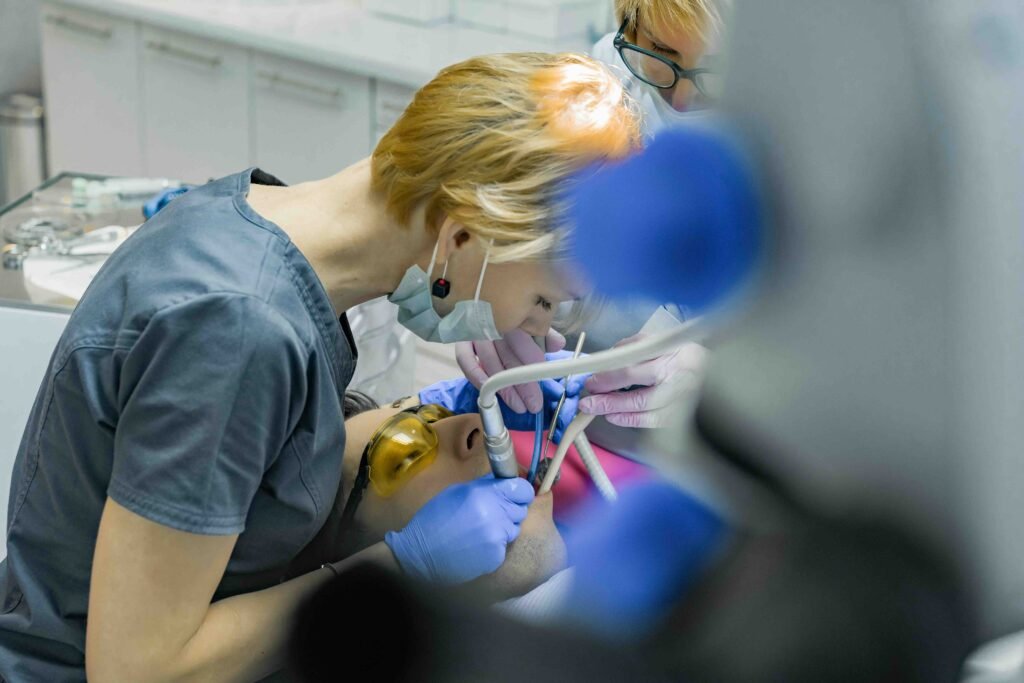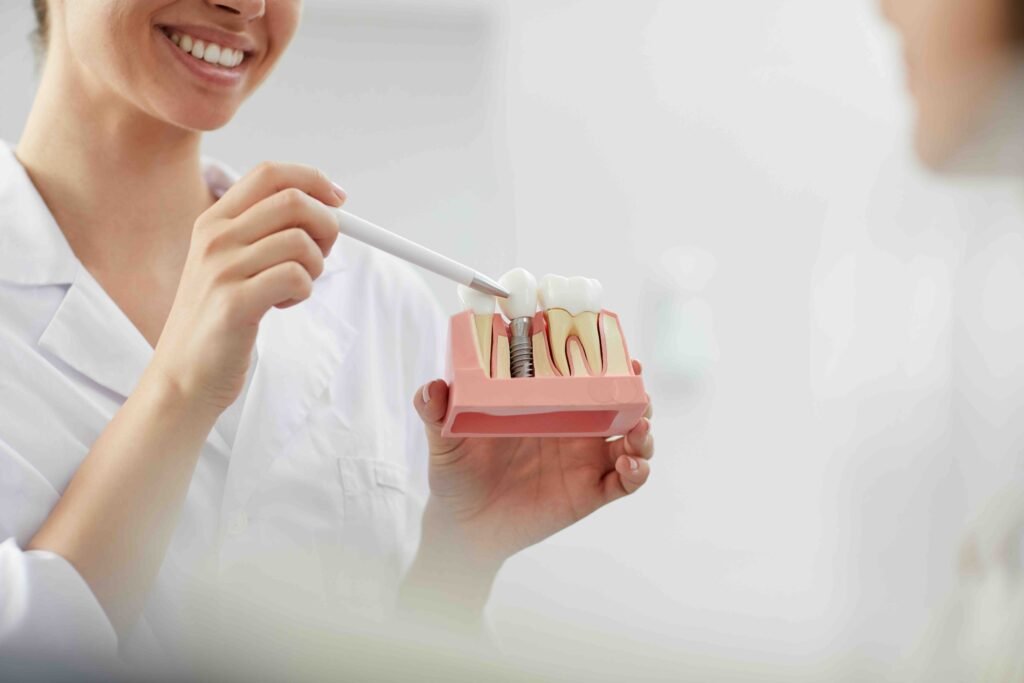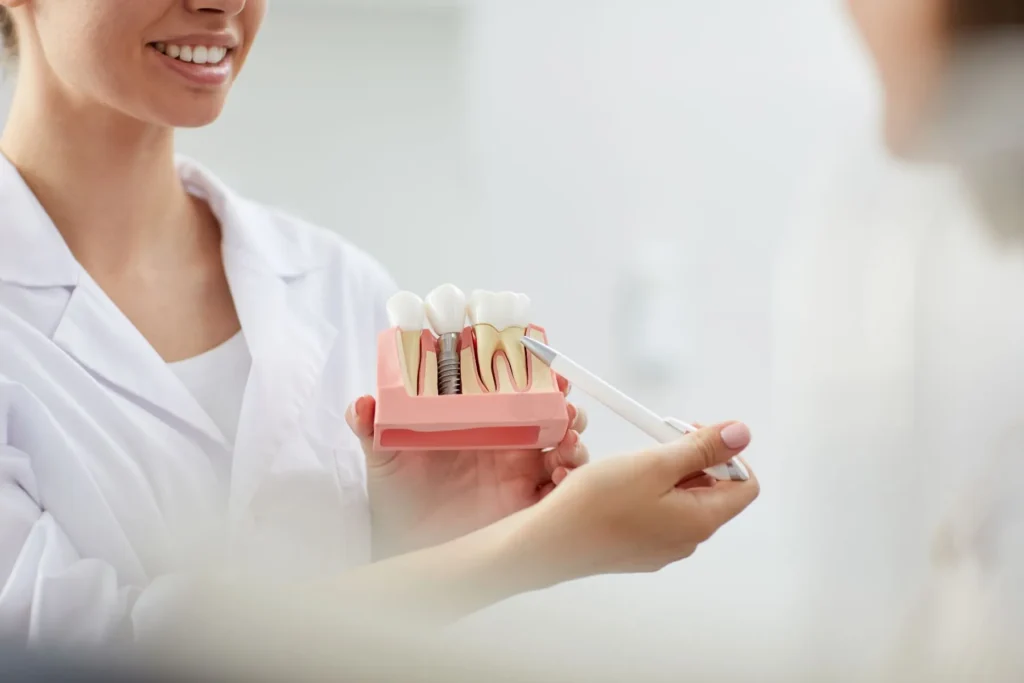
At My Dental Clinic in Dubai, we daily meet patients who wish to fully understand the clinical dynamics of rehabilitative treatments before embarking on a therapeutic journey. When it comes to restoring missing teeth through root replacement, long-term success depends on an incredible biological process known as How Osseointegration Works. Many patients wonder what actually happens within the bone tissues after placing a small screw made of titanium or advanced biocompatible materials. Understanding this intimate bond between living tissue and prosthetic support helps overcome initial fears and approach the procedure with greater serenity and awareness. Our expert team follows every phase with rigorous protocols to ensure that healing occurs with full respect for individual physiology, especially for those considering dental implants in Dubai.
What is osseointegration and what is its biological role
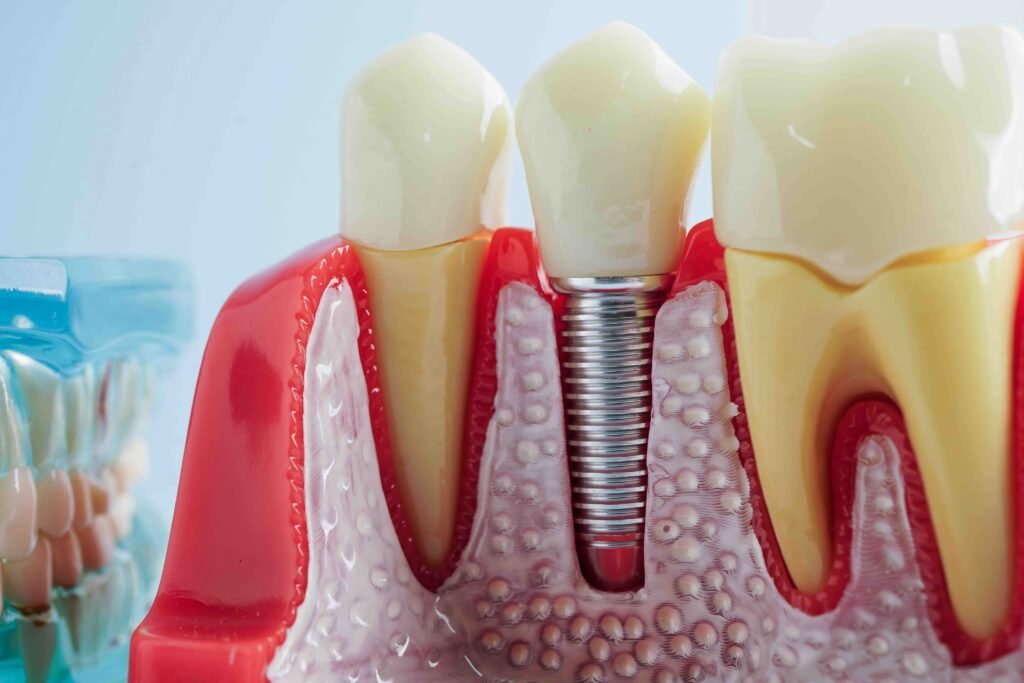
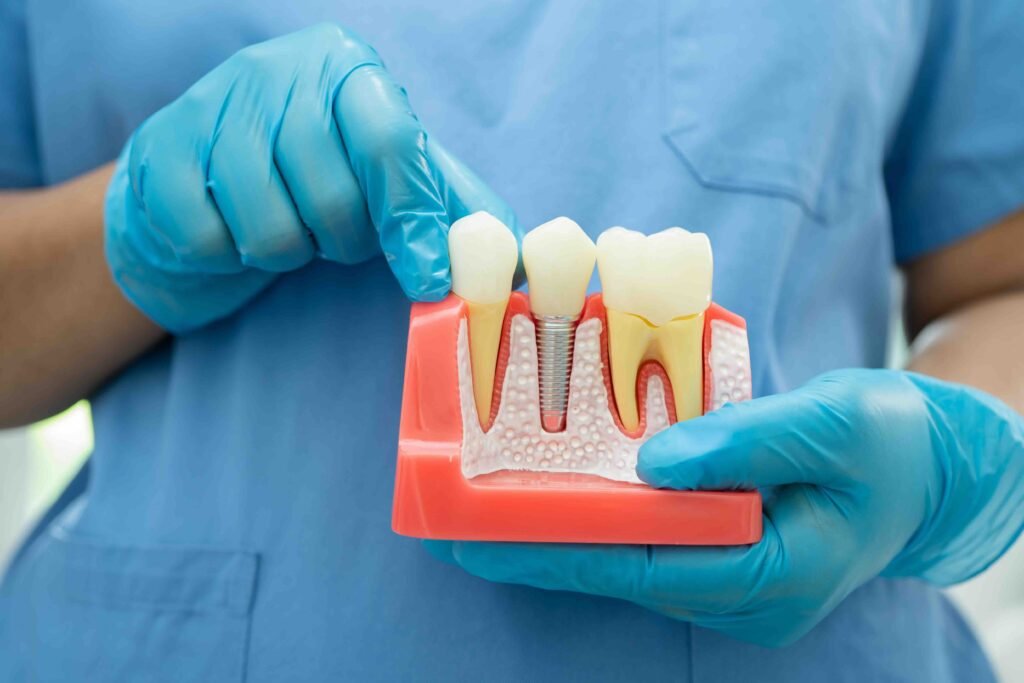
The concept of osseointegration describes the direct structural and functional connection that forms between the living bone of the dental arch and the surface of the inserted implant. When an expert positions the support within the maxillary or mandibular structure, the organism activates a complex response of healing and cellular regeneration. Bone cells begin to migrate and deposit directly close to the implant surface, creating an extremely solid and stable anchorage. This biological phenomenon transforms the artificial screw into a stable, secure base capable of supporting daily chewing forces just like a natural root would do. Without this intimate union process, the support could not withstand chewing forces and would fail within a short time. Scientific research has shown that surgical precision and the quality of the materials used decisively influence the speed and quality of this biological bond.
How the bone healing process around the implant takes place
The bone healing process does not happen instantaneously, but requires a variable period of time during which the organism works silently to integrate the new element. In the first days following the procedure, a protective blood clot forms and is progressively replaced by connective tissue and subsequently by new immature bone tissue. Over the following weeks, this provisional tissue undergoes structural remodeling that makes it strong, dense, and perfectly organized around the implant thread. During this delicate phase, clinicians recommend strictly following hygiene and behavioral instructions to avoid excessive stresses that could compromise the initial stability of the surgical site. Biological healing therefore represents a constant dialogue between the patient’s organism and the competence of the doctor who performed the implant procedure. Our body possesses extraordinary regenerative capacities which, supported by impeccable surgical technique, guarantee excellent and lasting clinical results over the years.
Which factors influence the successful outcome of osseointegration
The success and speed of osseointegration depend on a series of clinical and biological variables that the dentist carefully evaluates before starting any treatment. Bone density and available quantity represent fundamental elements, as strong, healthy bone tissue offers an ideal ground for primary implant stability. In the presence of initial bone scarcity, our specialists can resort to advanced regenerative techniques to rebuild the necessary volumes before proceeding with the insertion of the element. Another determining factor is the patient’s lifestyle, since cigarette smoking and excessive alcohol consumption can significantly slow down microcirculation and hinder cellular healing processes. The control of systemic pathologies, such as uncompensated diabetes, also plays a crucial role in ensuring the organism correctly responds to the regenerative stimuli of the procedure. Relying on expert professionals allows identifying these risk factors preventively and planning a personalized therapeutic strategy for each single clinical situation.
How to maintain the health of the implant in the long term
Maintaining the health of tissues surrounding the implant over the years is a shared commitment between the patient and the studio’s hygiene team. Many mistakenly believe that a prosthetic element cannot get sick or suffer damage linked to bacterial plaque accumulation, but clinical reality is quite different. Peri-implantitis represents an inflammatory process similar to periodontitis that can affect supporting tissues, compromising the stability of osseointegration if not promptly intercepted. To prevent these issues, it is essential to maintain rigorous home oral hygiene using appropriate toothbrushes, dental floss, and interdental brushes recommended by our specialists. Periodic professional hygiene sessions at My Dental Clinic allow removing hidden tartar and constantly monitoring the health status of gingival and bone tissues. Daily prevention and regular check-ups represent the true key to preserving smile well-being over time.
Why osseointegration is fundamental for chewing
The stability guaranteed by osseointegration allows restoring not only smile aesthetics, but above all the full masticatory and expressive functionality of the patient. When a tooth is lost, chewing forces are no longer distributed correctly across the dental arch, causing neighboring teeth to shift over time and resorption of unstimualted bone. The osseointegrated implant acts as a true structural anchor that transmits chewing forces directly to the bone, stimulating volumetric maintenance and preventing tissue atrophy. This translates into a feeling of stability and naturalness during chewing that no other mobile device or traditional prosthesis can match. Patients rediscover the pleasure of chewing any type of food without fear or discomfort, significantly improving their daily life quality and self-esteem. The masticatory functionality recovered through this biological process represents a fundamental milestone for the overall health of the entire organism.
What to do in case of problems or doubts after the procedure
Facing the post-operative period with serenity is possible when following the dentist’s advice to the letter and knowing who to contact in case of need. It is completely normal to feel slight swelling or minor discomfort in the first days following implant placement, symptoms that tend to resolve quickly with prescribed therapies. However, if abnormal signs appear such as persistent pain, implant mobility, or prolonged bleeding, it is essential to immediately contact the practice for a thorough clinical evaluation. We strongly advise against resorting to home remedies or ignoring tissue distress signals, as prompt intervention can safeguard the integrity of the entire treatment. Our patients know they can count on constant support and continuous clinical monitoring that prevents any unexpected complication. Timeliness in managing post-operative doubts is the hallmark of a safe, professional care journey oriented toward total personal well-being.
Conclusion: How osseointegration works
We have explored how osseointegration represents the biological and structural foundation upon which modern advanced dental implantology success relies. From understanding cellular mechanisms to home care and periodic checks, every step is designed to guarantee maximum stability and durability of the treatment over time. Relying on qualified professionals allows facing every phase with the certainty of receiving cutting-edge care, performed with full respect for patient health and safety. We invite you to explore the therapeutic options best suited to your clinical needs at My Dental Clinic to rediscover the pleasure of a healthy, functional smile.
📞 +97143388939
💬 +971559104977
✉️ reception@mydentalclinic.ae
📍 Al Thanya Street 61, Umm Suqeim 2, Dubai, UAEm Suqeim 2, Dubai